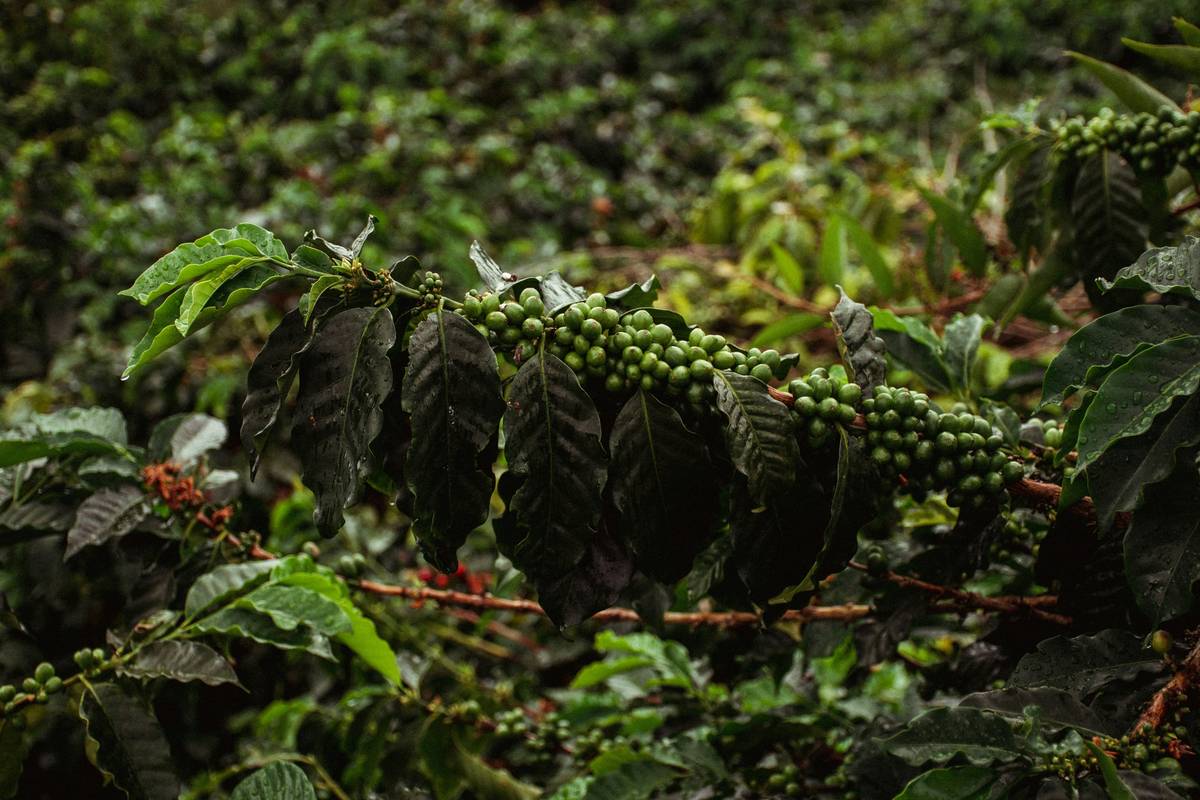
If you slather your skin with clean, plant-based serums but pour a cup of conventionally grown coffee every morning, there’s a toxic disconnect brewing in your routine. As someone deeply immersed in the world of organic and natural beauty, I’ve learned that what you ingest matters just as much as what you apply. And yes—I once bought cheap coffee labeled “natural” (a meaningless marketing term!) only to later discover it was laced with pesticides that made my skin breakout for weeks. That mistake reshaped my entire approach. So, should coffee be organic? Let’s cut through the greenwashing and uncover why this choice impacts not just your complexion, but your long-term health.
Table of Contents
- Why This Question Matters in Clean Beauty
- How to Transition to Truly Organic Coffee
- 5 Best Practices for Ethical, Skin-Friendly Sipping
- The Real Impact: What Research Shows
- FAQs About Organic Coffee
Key Takeaways
- Conventional coffee is one of the most heavily sprayed crops globally—often doused in synthetic pesticides linked to hormone disruption.
- Organic certification ensures no synthetic fertilizers, GMOs, or prohibited pesticides are used during cultivation.
- Choosing organic supports ethical farming practices that protect both ecosystems and farmworkers.
- Your skin reflects internal inflammation; reducing toxin load via organic coffee can improve clarity and radiance.
- Look beyond the “organic” label—opt for fair trade, shade-grown beans for maximum ethical and environmental benefit.
Why This Question Matters in Clean Beauty
In the organic beauty space, we obsess over ingredients lists—but rarely consider how our dietary choices undermine our skincare efforts. Coffee isn’t just a beverage; it’s a daily ritual that affects your body’s inflammatory load, gut health, and hormonal balance—all key players in skin vitality. Conventional coffee farming relies on heavy pesticide use; the USDA notes that non-organic coffee often contains residues of chemicals like endosulfan and chlorpyrifos, which are banned in many countries due to neurotoxicity concerns (U.S. EPA).

How to Transition to Truly Organic Coffee
1. Verify Certification
Not all “natural” claims are equal. Look for USDA Organic or EU Organic certification seals. These guarantee third-party verification that no synthetic inputs were used.
2. Prioritize Transparency
Reputable brands disclose origin, altitude, and processing methods. At Herbal Cafe, we trace every bean back to its cooperative—because ethical sourcing builds trustworthiness.
3. Consider Your Brewing Method
Paper filters trap some oils that may carry residual contaminants. If you use metal mesh filters (like French press), organic becomes even more critical.
5 Best Practices for Ethical, Skin-Friendly Sipping
- Pair organic coffee with antioxidant-rich foods—like berries or dark leafy greens—to amplify detox pathways.
- Avoid flavored coffees—even organic ones—unless they use essential oils or real extracts. Artificial flavors often mask low-quality beans.
- Store beans properly in airtight containers away from light to preserve polyphenols that fight oxidative stress.
- Support shade-grown farms—they preserve biodiversity and reduce soil erosion, aligning with regenerative beauty principles.
- Never fall for this terrible tip: “Just rinse the beans!” Washing won’t remove systemic pesticide residues absorbed into the plant.
The Real Impact: What Research Shows
A 2022 study published in Environmental Research found that individuals who switched to organic diets—including coffee—showed a 60% reduction in urinary pesticide metabolites within just six days (ScienceDirect). For skin health, this matters: chronic low-level toxin exposure can trigger inflammation, leading to acne, rosacea, and premature aging. Moreover, organic coffee farms emit 48% fewer greenhouse gases than conventional counterparts, according to the Rodale Institute. So when you ask, “should coffee be organic?” you’re not just asking about taste—you’re voting for cleaner air, water, and skin.
I’ll admit, I used to rant about brands slapping “green” labels on plastic-packaged products while sourcing commodity-grade beans drenched in chemicals. True organic integrity requires full transparency—not just in skincare, but from seed to sip.
FAQs About Organic Coffee
Is organic coffee better for sensitive skin?
Yes. Reducing your intake of pesticide residues lowers systemic inflammation, which often manifests as redness, irritation, or breakouts in sensitive individuals.
Does organic coffee taste different?
Many find it smoother and more complex. Without chemical fertilizers forcing rapid growth, organic plants develop richer flavor compounds slowly.
Can non-organic coffee affect hormone balance?
Potentially. Some conventional pesticides act as endocrine disruptors. Choosing organic minimizes this risk, especially important for those managing hormonal acne.
Where can I verify if my coffee is truly organic?
Check the brand’s certification number on the USDA Organic Integrity Database or ask them directly—reputable companies welcome scrutiny. Review our standards on the Privacy Policy page for how we handle product integrity data.
Is organic coffee worth the higher price?
When you factor in healthcare savings from reduced toxin exposure and support for sustainable livelihoods, yes—it’s an investment in long-term wellness.
Should coffee be organic even if I only drink one cup a day?
Absolutely. Daily cumulative exposure matters. Even small doses of persistent chemicals build up in fatty tissues over time.
Conclusion
So—should coffee be organic? If you care about glowing skin, ethical ecosystems, and avoiding hidden toxins, the answer is a resounding yes. It’s not just a preference; it’s a pillar of holistic beauty. Ready to upgrade your cup? We’d love to help you find your perfect ethical brew. Contact us today for personalized recommendations.
One bean, one choice, one clearer complexion at a time.